
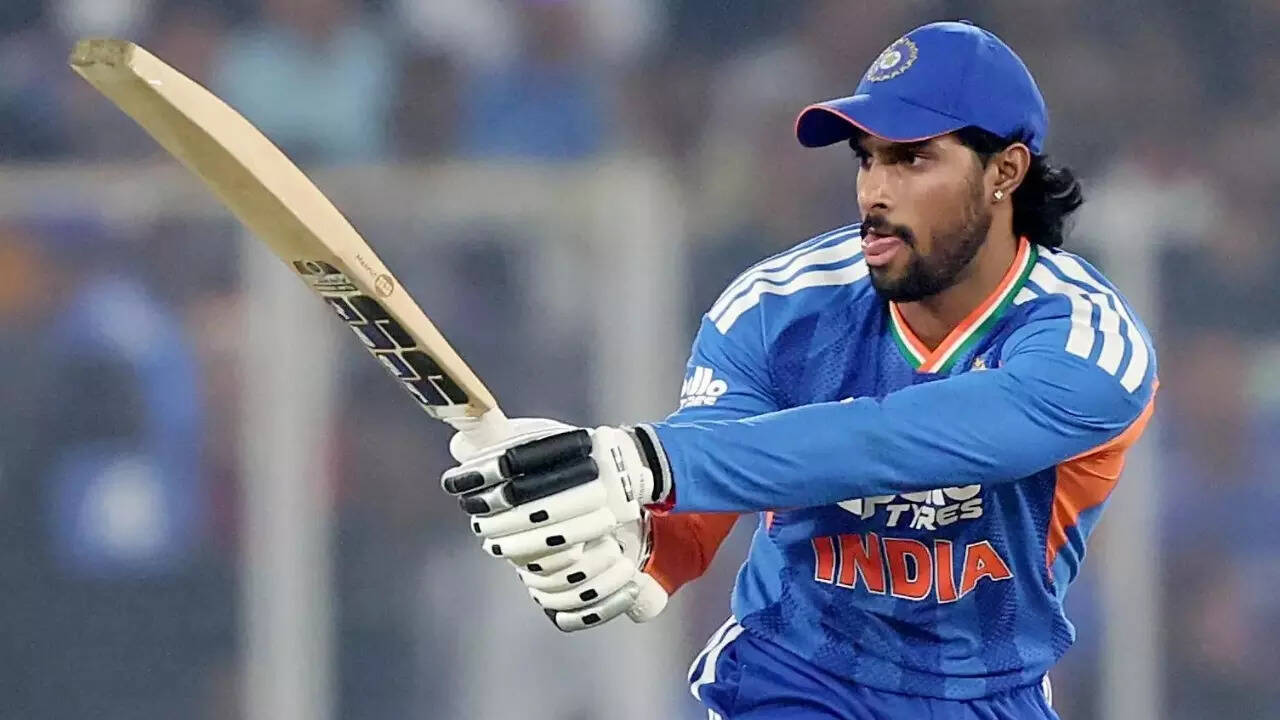
India’s recent T20I defeats against Ireland and England have sparked plenty of discussion, and young batter Tilak Varma has offered a clear and honest assessment of what went wrong. According to Tilak, the biggest challenge for the Indian side was adapting quickly to overseas conditions, where pitches, weather, and match tempo demanded a different approach.
Speaking about the difficult campaigns, Tilak admitted that the team found the conditions challenging, especially when compared to the familiar surfaces back home. In countries like Ireland and England, factors such as swing, seam movement, colder weather, and variable bounce can test even experienced players. For a relatively young Indian T20I group, these tours became a tough but valuable learning experience.
Adapting Overseas Remains India’s Key Challenge
Tilak highlighted that playing in foreign conditions requires more than just skill. It demands quick decision-making, patience, and the ability to adjust plans during the game. Indian batters often had to deal with movement early in the innings, while bowlers needed to find the right lengths on surfaces that behaved differently from subcontinental tracks.
The defeats against Ireland and England showed that India’s next-generation T20 players are still learning how to manage pressure in unfamiliar environments. While there were flashes of promise, consistency remained an issue across departments.
Tilak Stresses Calmness and Positivity
One of the most important points Tilak made was about the need to stay calm. In T20 cricket, matches can change within a few overs, and panic often leads to poor execution. Tilak emphasized that maintaining a positive environment within the dressing room is crucial, especially after losses.
For a young team, confidence can be fragile. That is why leadership, communication, and backing players become just as important as tactical planning. Tilak’s comments suggest that India is focusing not only on technical improvements but also on the mental side of the game.
Lessons from Defeat
Despite the disappointing results, these overseas campaigns may prove beneficial in the long run. India now has a clearer understanding of the areas that need attention: batting against movement, bowling with discipline in different conditions, and handling pressure moments better.
Tilak’s own growth is also a positive sign. His maturity in assessing the situation reflects the mindset India wants from its young players. Rather than making excuses, the focus appears to be on learning, improving, and preparing better for future challenges.
Road Ahead for India
India will now aim to regain momentum in upcoming T20I fixtures. The key will be applying the lessons learned from Ireland and England. Better adaptability, smarter shot selection, sharper bowling plans, and a calm approach under pressure could help the team bounce back strongly.
While the losses were disappointing, they also served as a reminder that building a successful T20 side requires time and experience. Tilak Varma’s comments underline a simple but important message: India must learn from tough conditions, remain positive, and execute better when the next opportunity arrives.
In modern T20 cricket, talent alone is not enough. Adaptability is the real difference-maker — and India’s young squad now knows exactly where the work begins.