
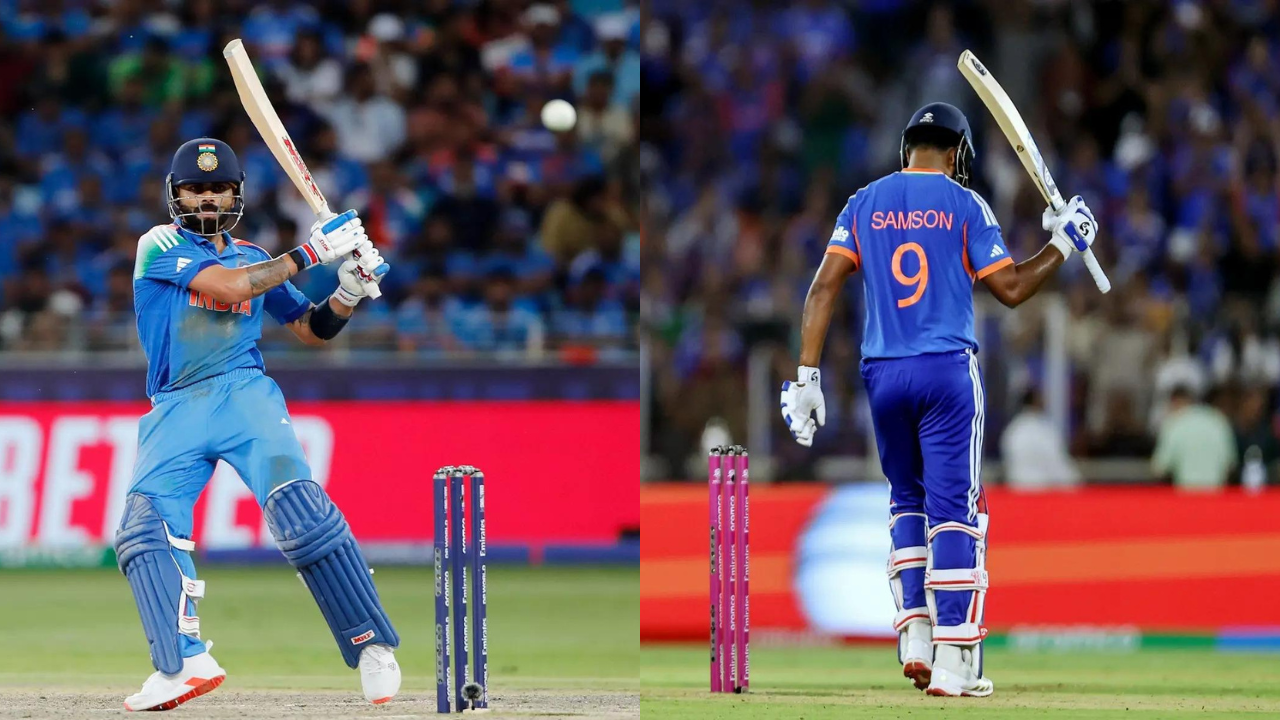
For India, a tour of Zimbabwe has rarely been just another bilateral assignment. Over the years, it has become something far more significant: a testing ground for the next wave of Indian T20I talent. From future icons like Virat Kohli to exciting modern names such as Sanju Samson, Abhishek Sharma, and Riyan Parag, Zimbabwe has repeatedly served as the stage where India’s emerging cricketers first experience the demands of international cricket.
A Quiet but Important Tradition
India’s packed cricket calendar often makes it difficult to give extended opportunities to fringe players. Tours to Zimbabwe, however, have provided the perfect balance: international competition, manageable pressure, and room for experimentation. The BCCI has used these series to rest senior players while allowing selectors to evaluate younger cricketers in Indian colours.
This approach has helped India widen its talent pool, particularly in T20 cricket, where conditions, temperament, and adaptability matter as much as raw numbers in domestic tournaments or the IPL.
Virat Kohli: An Early Step in a Legendary Journey
Long before he became one of the greatest batters of the modern era, Virat Kohli was part of India’s young brigade looking to make a mark. His early T20I exposure against Zimbabwe was one of the stepping stones in a career that would later redefine consistency, chase mastery, and fitness standards in Indian cricket.
While Kohli’s rise was built across formats and continents, Zimbabwe played a role in giving him valuable international experience at a formative stage. It showed how even a relatively low-profile tour can become an important chapter in a cricketer’s development.
Sanju Samson and KL Rahul: Talent Meets Opportunity
Sanju Samson is another name closely associated with India’s Zimbabwe connection. For years, Samson has been viewed as one of India’s most naturally gifted wicketkeeper-batters. His introduction to T20I cricket came in Zimbabwe, reinforcing the idea that these tours are often used to test players who have impressed in domestic cricket and the IPL.
KL Rahul also began his T20I journey in Zimbabwe. Known for his elegance, versatility, and ability to bat in multiple roles, Rahul’s debut highlighted India’s willingness to use such tours to groom players for bigger challenges. He would later become a major figure across formats, proving the long-term value of giving young players early exposure.
The New Wave: Abhishek Sharma and Riyan Parag
The tradition has continued in recent years. India’s 2024 T20I series in Zimbabwe saw fresh faces such as Abhishek Sharma and Riyan Parag enter the international arena. Both players came in with strong IPL reputations and were seen as part of India’s next-generation white-ball plans.
Abhishek Sharma, with his fearless left-handed batting and useful spin, represents the modern T20 cricketer: aggressive, flexible, and multi-dimensional. Riyan Parag, after years of domestic growth and IPL experience, earned his chance as a middle-order option capable of adding power and composure.
For players like them, Zimbabwe is not merely a debut destination. It is a proving ground where promise must begin turning into performance.
Why Zimbabwe Works as a Launchpad
There are several reasons why India continues to use Zimbabwe tours for blooding new talent:
- Lower external pressure: Compared to marquee series against Australia, England, or Pakistan, Zimbabwe tours offer a slightly calmer environment for debutants.
- International match experience: Young players get to understand travel, conditions, team culture, and the pressure of representing India.
- Squad rotation: Senior players can be rested while selectors assess bench strength.
- Role clarity: Debutants often get defined opportunities to bat, bowl, or keep wickets without being overshadowed by established stars.
- Preparation for ICC events: These tours help India identify backup options and future specialists for T20 World Cups and other tournaments.
A Reflection of India’s Depth
The fact that India can send young squads to Zimbabwe and still remain competitive says a lot about the country’s cricketing depth. The IPL, domestic cricket, India A tours, and age-group pathways have created a steady supply of match-ready players. Zimbabwe tours allow India to connect that pipeline to the international stage.
Not every debutant will become a superstar, but that is not the only purpose. The larger goal is to test temperament, identify roles, and build a pool of players who can step up when required. In modern T20 cricket, where injuries, workload management, and tactical match-ups are constant factors, such depth is priceless.
More Than Just Numbers
For fans, these series can sometimes feel less glamorous than major tournaments. But for the players involved, they are career-defining opportunities. A strong performance in Zimbabwe can change perceptions, strengthen selection claims, and open the door to bigger assignments.
For Indian cricket, Zimbabwe has become a reminder that pathways matter. A player’s journey to stardom does not always begin in a packed stadium during a high-profile clash. Sometimes, it starts quietly in Harare, with a debut cap, a nervous first innings, and the dream of belonging at the highest level.
Conclusion
From Kohli to Samson, from KL Rahul to Abhishek Sharma and Riyan Parag, Zimbabwe has played a unique role in India’s T20I evolution. These tours have become more than routine fixtures; they are launchpads for ambition, talent, and future stars.
As the BCCI continues to balance workload management with talent development, Zimbabwe is likely to remain an important destination in India’s cricketing roadmap. For young Indian cricketers, it represents the first big step from potential to possibility.