
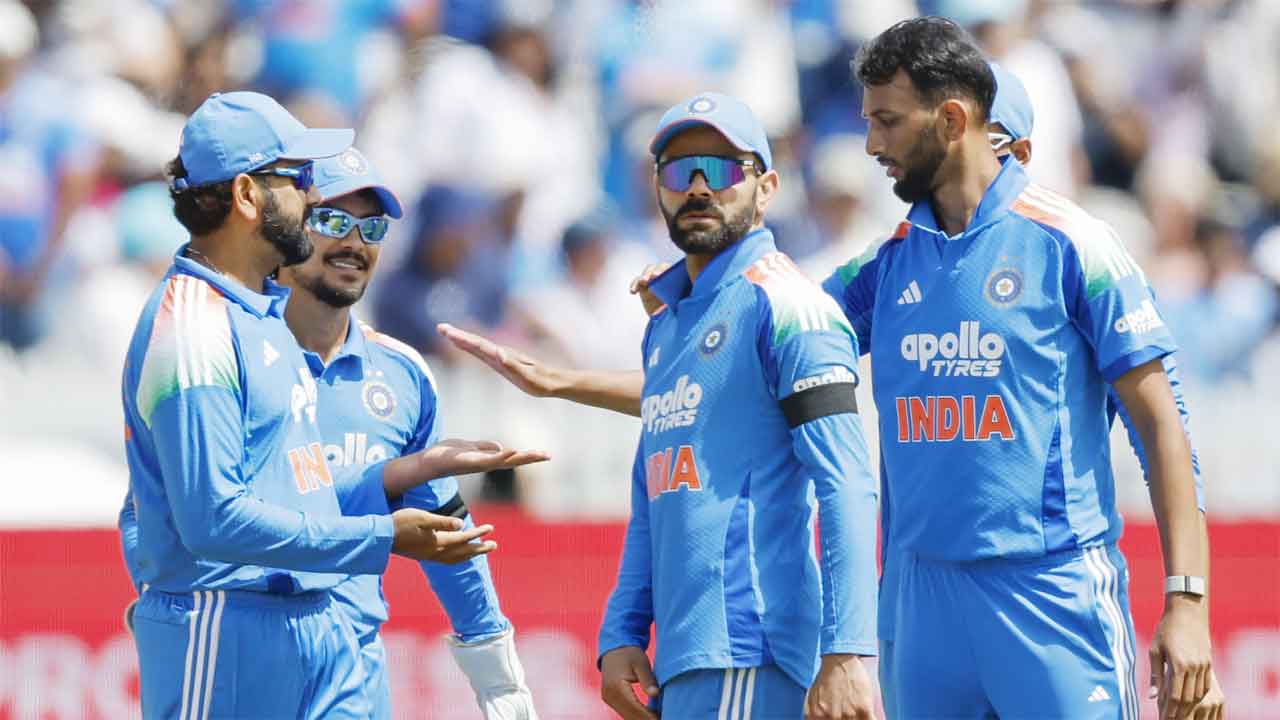
Former India opener Abhinav Mukund has stirred a lively cricket debate by naming his preferred India squad for the 2027 ODI World Cup. The biggest talking point from his selection is the inclusion of veteran opener Rohit Sharma, while popular names such as Sanju Samson and Yashasvi Jaiswal miss out.
At a time when Indian cricket is gradually looking ahead to the next global cycle, Mukund’s choices reflect an interesting balance between experience, current ODI form, and long-term planning. His backing of Rohit suggests that, despite age and transition talk, the former India captain still commands immense respect in the 50-over format.
Rohit Sharma’s Inclusion: Experience Still Matters
Rohit Sharma’s presence in Mukund’s squad is not just emotional; it has a strong cricketing logic. In ODI cricket, Rohit remains one of India’s most influential batters. His ability to dominate the powerplay, absorb pressure in big matches, and set the tone at the top makes him a valuable asset.
Even as India prepares for the future, World Cups are often won by teams that blend youth with proven performers. Rohit’s experience in ICC tournaments, leadership understanding, and match-winning pedigree could be crucial in a high-pressure event like the 2027 ODI World Cup.
Expert View: If Rohit remains fit and continues to score consistently in ODIs, ruling him out purely on age would be a mistake.
Sanju Samson’s Exclusion Raises Questions
The exclusion of Sanju Samson is likely to divide fans. Samson has long been regarded as one of India’s most talented white-ball batters, but his ODI journey has been stop-start. The challenge for Samson has never been talent; it has been about finding a fixed role in a highly competitive Indian batting lineup.
India already have multiple wicketkeeper-batter options, and that may have worked against Samson in Mukund’s selection. With team balance becoming increasingly important, selectors often look for players who can fit specific roles rather than simply picking the most gifted names.
Still, Samson’s supporters will argue that he deserves a longer run, especially considering his ability to bat in the middle order and accelerate against both pace and spin.
Yashasvi Jaiswal Missing Out: A Surprising Call?
Another notable omission is Yashasvi Jaiswal. The left-handed opener has made a strong impression across formats with his fearless batting, but the ODI setup remains difficult to break into. With established names occupying the top order, Jaiswal may have to wait for a consistent opportunity in the 50-over format.
Mukund’s decision perhaps suggests that current ODI performance and role clarity were prioritized over future potential. While Jaiswal is undoubtedly one of India’s brightest young stars, the 2027 World Cup squad may demand players who are already settled in specific ODI roles.
Shubman Gill’s Rise Strengthens His Case
Shubman Gill continues to be one of India’s most important ODI batters. With Gill now close to the top of the ODI batting rankings, his place in any future World Cup squad looks increasingly secure. His consistency, technique, and ability to build long innings make him a natural fit for the 50-over format.
Gill represents the bridge between India’s current generation and the next era. If Rohit brings experience, Gill brings stability and long-term promise. Together, they give India a strong foundation at the top of the order.
Kohli and Rohit Still Among the Elite
The fact that both Virat Kohli and Rohit Sharma continue to feature among the top ODI batters underlines their enduring quality. While discussions around transition are necessary, performances and rankings show that India’s senior stars are still very much relevant in the format.
Kohli’s fitness, hunger, and unmatched ODI record make him a near-automatic contender if he remains available and in form. Rohit, meanwhile, continues to offer explosive starts and tactical maturity. For a World Cup campaign, such experience can be priceless.
Kuldeep Yadav’s Ranking Slip: A Minor Concern?
On the bowling front, Kuldeep Yadav slipping in the ODI bowler rankings after the recent series may attract attention, but it should not be viewed as a major setback. Rankings fluctuate, especially after closely contested bilateral series. What matters more is Kuldeep’s wicket-taking ability in the middle overs.
In modern ODI cricket, wrist-spinners remain vital because they can break partnerships and create pressure when the ball gets older. Kuldeep has already shown that he can be a match-winner for India in major tournaments, and he is likely to remain central to India’s 2027 plans if he stays fit and effective.
What Mukund’s Squad Tells Us About India’s 2027 Planning
Mukund’s squad selection highlights a key question for Indian cricket: should the team focus mainly on youth, or should it continue to trust proven senior players if they are still performing?
The inclusion of Rohit suggests that reputation alone is not the point; rather, it is about impact, form, and experience. The exclusions of Samson and Jaiswal show how competitive India’s white-ball pool has become. Several quality players may miss out simply because the available slots are limited.
Final Take
Abhinav Mukund’s 2027 ODI World Cup squad is bound to spark debate, especially with Rohit Sharma included and Sanju Samson and Yashasvi Jaiswal excluded. But that is exactly what makes India’s selection conversation so fascinating. The country has a deep talent pool, experienced match-winners, and emerging stars all competing for limited positions.
For now, one thing is clear: if Rohit Sharma, Virat Kohli, and Shubman Gill continue to dominate the ODI rankings and deliver consistent performances, India’s 2027 World Cup plans may still feature a strong dose of experience alongside the next generation.