
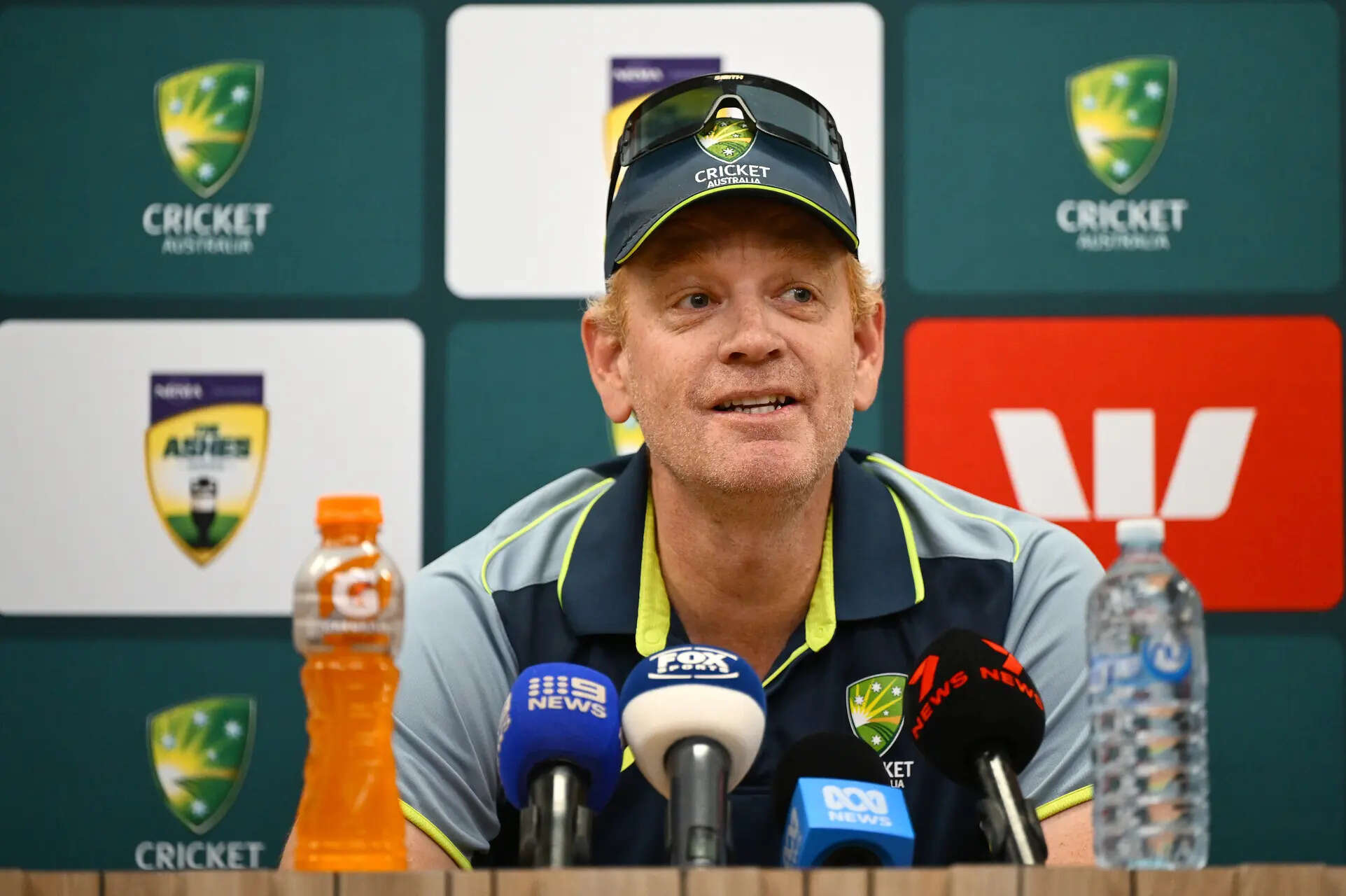
The Case for Bigger Squads: Australia’s Call to Action Ahead of the 2027 ODI World Cup
As the cricketing world gears up for the 2027 ODI World Cup, Australia’s head coach Andrew McDonald has thrown his weight behind a critical change—expanding squad sizes from 15 to 17 players. His reasoning? The modern game’s grueling demands, packed schedules, and the need to ensure the best players remain fit and available throughout the tournament.
A "War of Attrition": Why 15 Players May Not Be Enough
McDonald’s concerns are far from baseless. The 2027 World Cup is expected to feature more matches than ever, with teams navigating a longer group stage and potentially back-to-back high-pressure games. In such a scenario, injuries, fatigue, and tactical rotations could become decisive factors.
“It’s going to be a war of attrition,” McDonald told reporters. “With more matches, varying conditions, and the physical toll on players, a 15-man squad might not be sufficient. We need the flexibility to manage workloads, rotate players, and ensure that the best XI is always available.”
The Benefits of a 17-Player Squad
- ✅ Injury Management: Cricket is increasingly becoming a year-round sport, and injuries are inevitable. A larger squad allows teams to rest key players without compromising performance.
- ✅ Tactical Flexibility: Different conditions demand different strategies. A 17-player squad enables teams to adapt to pitches, weather, and opposition without being forced into last-minute changes.
- ✅ Player Welfare: With the IPL, T20 leagues, and international commitments clashing, players are under immense strain. A bigger squad helps distribute workloads and prevent burnout.
- ✅ Depth in All Departments: A 15-player squad often forces teams to compromise on specialist bowlers, all-rounders, or backup keepers. With 17 players, teams can carry extra pace options, spinners, and batting depth without sacrificing balance.
Precedent in Other Sports
McDonald’s call isn’t without precedent. Other major team sports, like rugby (33-player squads for the World Cup) and football (26-player squads for the FIFA World Cup), have already embraced larger rosters to cope with modern demands. Cricket, with its longer formats and physical toll, should follow suit.
The ICC’s Role: Time for a Change?
The International Cricket Council (ICC) has historically been cautious about expanding squad sizes, citing logistical challenges. However, with the 2023 World Cup already featuring a 15-player limit and teams struggling with injuries (e.g., England’s injury woes, India’s rotation dilemmas), the argument for change is stronger than ever.
McDonald’s plea is a wake-up call for the ICC to prioritize player welfare, competitive balance, and the integrity of the tournament. A 17-player squad won’t just benefit Australia—it will ensure that every team can field their best XI in every game, making the World Cup a true celebration of cricketing excellence.
Final Thoughts: A Necessary Evolution
The 2027 ODI World Cup promises to be one of the most physically and mentally demanding editions yet. If the ICC wants to protect the quality of the tournament and safeguard player health, expanding squad sizes is a logical and necessary step.
As McDonald put it: “We want the best players on the field for the biggest games. A 17-man squad gives us the best chance to make that happen.”
What do you think? Should the ICC increase World Cup squad sizes to 17? Share your thoughts in the comments!