
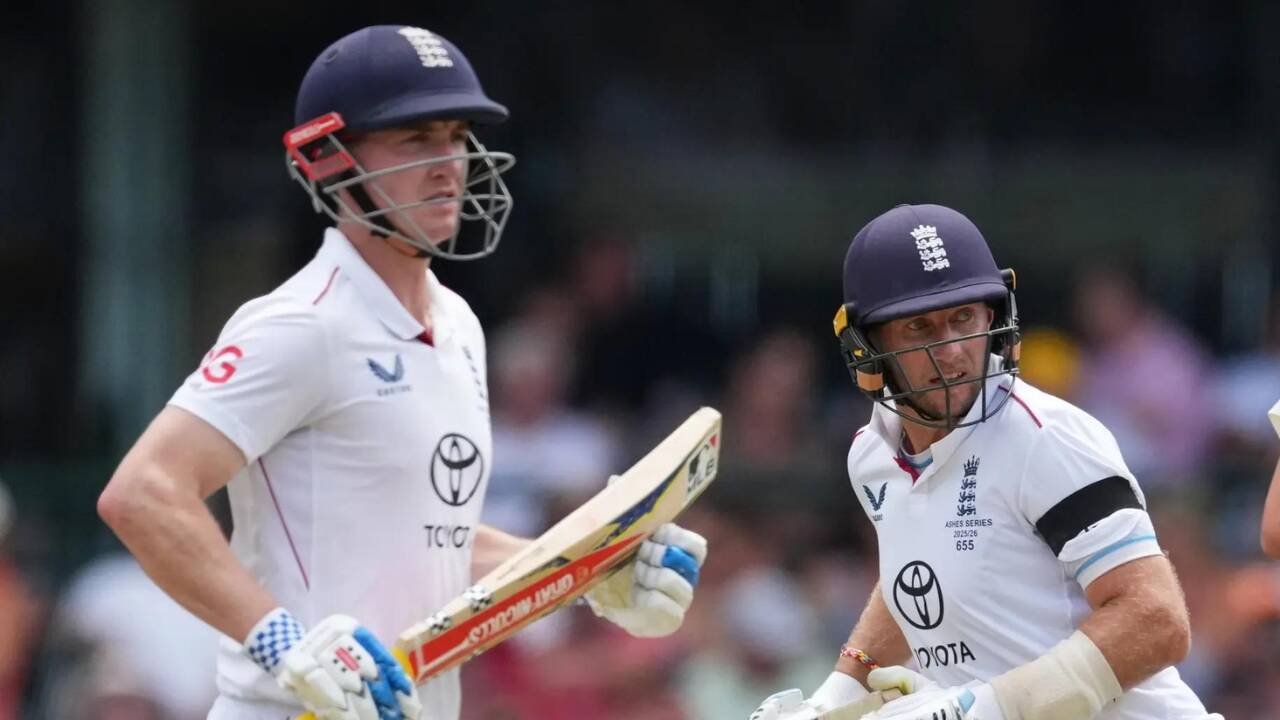
The Inside Story Behind England’s Captaincy Decision
England’s cricketing hierarchy has spoken—and the message is clear: Harry Brook was not ready. In a move that surprised many, the ECB confirmed Joe Root’s return as full-time Test captain, ending months of speculation about his successor. The decision, announced alongside the appointment of Stephen Fleming as England’s new Test head coach, has reignited debates about leadership, experience, and the future of English cricket.
The Brook Dilemma: Talent vs. Temperament
At just 25 years old, Harry Brook has already established himself as one of England’s most explosive batters. His fearless approach in the middle order has redefined modern Test cricket, and his performances in the 2023 Ashes and 2024 India series cemented his status as a future star. So why was he passed over for the captaincy?
“It’s just too soon. Harry is an incredible talent, but captaincy is about more than just runs and aggression. It’s about managing egos, handling pressure, and understanding the nuances of the game at the highest level.”
— ECB Insider
The ECB’s stance reflects a cautious approach. While Brook’s batting prowess is undeniable, his lack of leadership experience at the international level was a major concern. Unlike Root, who had captained Yorkshire and led England in white-ball cricket before taking over the Test side, Brook has no prior captaincy experience in first-class or international cricket. The ECB feared that thrusting him into the role too early could stifle his natural game and add unnecessary pressure.
Root’s Redemption: Why the ECB Turned Back Time
Joe Root’s return as Test captain marks a full-circle moment for English cricket. After stepping down in 2022 following a grueling stint that saw England struggle under his leadership, Root has since reinvented himself as a batter, averaging over 50 in Test cricket since relinquishing the armband. His tactical acumen, man-management skills, and deep understanding of the game made him the safest choice for a team in transition.
But Root’s appointment is not without risks. At 33, he is not a long-term solution, and the ECB will need to identify a successor soon. The question remains: Will Brook get another shot, or will someone like Ben Duckett or Ollie Pope be groomed for the role?
Fleming’s Role: The McCullum Effect Continues
The appointment of Stephen Fleming as England’s new Test head coach adds another layer of intrigue. Fleming, a close ally of Brendon McCullum, is expected to continue the ‘Bazball’ revolution that transformed England’s Test side. His partnership with Root will be crucial in maintaining the team’s aggressive, fearless brand of cricket.
However, Fleming’s lack of experience in English conditions could pose challenges. Unlike McCullum, who had a deep understanding of the county circuit, Fleming’s success has primarily been in T20 leagues and New Zealand cricket. How he adapts to the pressures of Ashes cricket and subcontinental tours will be a key storyline in the coming years.
What’s Next for Harry Brook?
For Brook, the focus now shifts to proving his worth as a leader. The ECB has hinted that he could be fast-tracked into a vice-captaincy role or given leadership opportunities in domestic cricket. His performances in the upcoming 2024-25 Ashes series and 2025 Champions Trophy will be pivotal in determining his future.
One thing is certain: Brook’s time will come. But for now, England’s cricketing brain trust believes it’s “just too soon.”
Key Takeaways:
- Experience Matters: Root’s leadership record made him the safest choice.
- Brook’s Time Will Come: The ECB wants him to develop as a player first.
- Fleming’s Challenge: Continuing ‘Bazball’ while adapting to English conditions.
- Future Leadership: Duckett, Pope, or Brook—who will be next?
What do you think? Should England have taken a gamble on Brook, or was Root the right choice? Share your thoughts in the comments!