
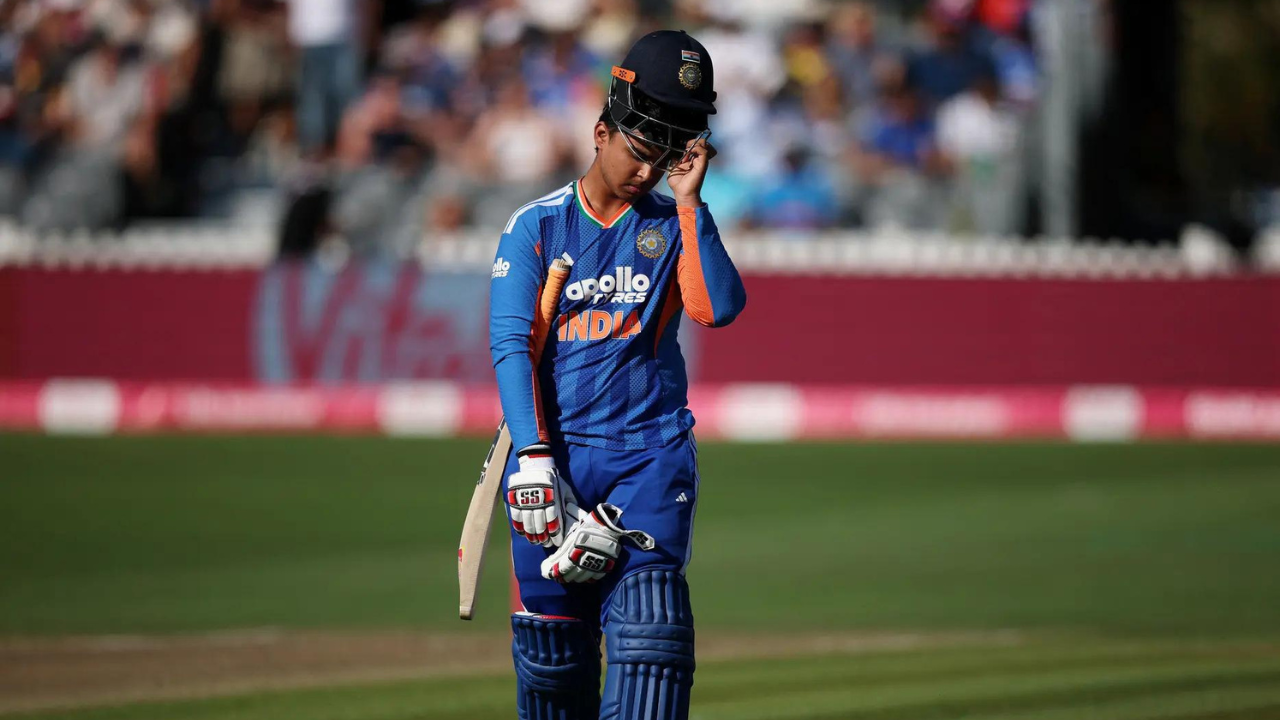
In the high-octane world of modern cricket, where T20 leagues and white-ball dominance often steal the spotlight, Rahul Dravid has delivered a stark reminder about the bedrock of a cricketer’s development: red-ball cricket. The Indian head coach’s recent assessment of Vaibhav Sooryavanshi—a promising young talent—was as blunt as it was necessary: "Sooryavanshi hasn’t played as much red-ball cricket."
The Dravid Doctrine: Why Test Cricket Still Shapes Legends
Dravid, a man synonymous with grit, technique, and the art of Test cricket, has long championed the idea that a cricketer’s foundation must be built on the longest format. His words carry weight, not just because of his legendary status, but because they reflect a timeless truth—one that even the most explosive T20 stars ignore at their peril.
For aspiring cricketers like Sooryavanshi, the allure of white-ball cricket is undeniable. The glitz of IPL contracts, the adrenaline of slam-bang finishes, and the instant gratification of social media fame can make red-ball cricket seem like a relic. But Dravid’s message is clear: neglecting the red ball is a gamble with your career.
What Sooryavanshi (and Every Young Cricketer) Stands to Lose
- Technique Under Pressure: Test cricket is the ultimate test of a batsman’s defense and a bowler’s patience. Without it, young players risk developing one-dimensional skills that crumble under the weight of a swinging Dukes ball or a turning track.
- Mental Fortitude: Five-day cricket is a marathon, not a sprint. The ability to grind out sessions, adapt to changing conditions, and stay focused for hours is what separates good players from great ones. Dravid knows this better than anyone—his 24,000+ Test runs weren’t built on T20 cameos.
- Versatility: The best modern cricketers—think Virat Kohli, Steve Smith, or Jasprit Bumrah—are products of a balanced cricketing education. They didn’t just master white-ball cricket; they earned their stripes in the red-ball arena before dominating across formats.
Dravid’s Call for Patience: The Long Game Matters
In an era where instant success is glorified, Dravid’s advice to Sooryavanshi is a masterclass in strategic patience. He isn’t dismissing white-ball cricket—far from it. Instead, he’s advocating for a holistic approach, where young players:
- Prioritize first-class cricket to hone their craft.
- Use white-ball formats as complements, not replacements.
- Embrace the grind, knowing that Test cricket is the ultimate proving ground.
Dravid’s stance isn’t just about Sooryavanshi—it’s a wake-up call for the entire cricketing ecosystem. Boards, coaches, and players must resist the temptation to chase short-term gains at the expense of long-term development. After all, India’s next Test match-winning all-rounder or rock-solid opener won’t emerge from a diet of only T20s.
The Road Ahead: A Balanced Path for Sooryavanshi
So, what’s next for Vaibhav Sooryavanshi? The answer lies in intentionality. If he heeds Dravid’s advice, we could see him:
- Spending more time in domestic first-class cricket, facing quality attacks in varied conditions.
- Working on his technical weaknesses—whether it’s playing spin, leaving the ball, or bowling long spells.
- Using white-ball opportunities as learning experiences, not just performance metrics.
Dravid’s message is simple but profound: Test cricket isn’t dead—it’s the foundation of greatness. For Sooryavanshi and every young cricketer dreaming of wearing the Baggy Green, Whites, or Blue, the red ball isn’t just a format—it’s the key to unlocking their full potential.
Will Sooryavanshi take the road less traveled? Only time will tell. But one thing’s certain—if he does, he’ll have the best mentor in the business guiding him every step of the way.