
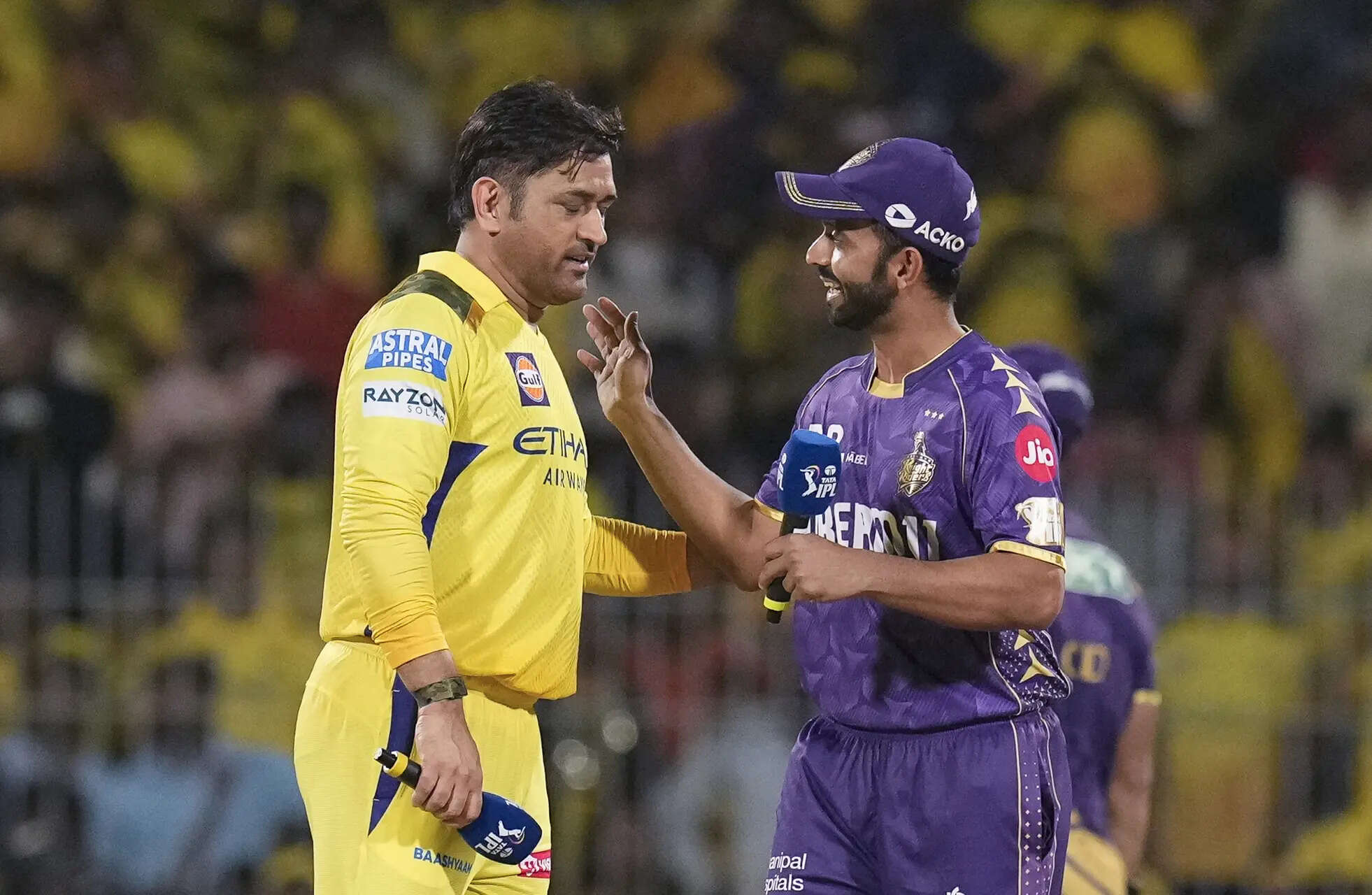
The Unwritten Code of MS Dhoni’s Leadership
Mahendra Singh Dhoni, one of cricket’s most revered captains, was known for his calm demeanor, sharp cricketing mind, and an uncanny ability to foster a tight-knit team environment. While his leadership style was often described as relaxed, former India vice-captain Ajinkya Rahane recently revealed a fascinating detail about Dhoni’s approach—one that balanced openness with an unspoken boundary.
The Open-Door Policy That Defined Team Bonding
Dhoni’s hotel room was more than just a place to rest—it was a sanctuary for the team. During tours, younger players would often gather there, unwinding with casual conversations, card games, or simply sharing laughs. This culture of accessibility helped break down hierarchies, allowing players to connect beyond the cricket field.
Rahane, who recently announced his retirement from all forms of cricket after a stellar 17-year career, reflected on this aspect of Dhoni’s leadership in a recent interview. He highlighted how Dhoni’s approach created a sense of belonging, making even the newest players feel valued.
The One Rule No One Dared to Break
However, amidst this open-door policy, there was one strict rule—no one was allowed to discuss cricket. Dhoni’s room was a space for relaxation, not strategy. The former India captain believed in giving players a mental break from the pressures of the game, ensuring they returned to the field refreshed.
Rahane’s revelation sheds light on Dhoni’s unique leadership philosophy—one that prioritized mental well-being as much as performance. By enforcing this boundary, Dhoni ensured that his team remained focused yet unburdened, a balance that contributed to India’s success under his captaincy.
A Legacy Beyond the Field
As Dhoni’s own playing future remains uncertain following an injury and a missed IPL season, his influence on Indian cricket endures. His ability to lead with empathy, while maintaining discipline, set a benchmark for captains worldwide.
For Rahane, who bid farewell to the game after a distinguished career, Dhoni’s leadership was a defining chapter. The lessons from those hotel room gatherings—camaraderie, trust, and the importance of mental space—will continue to inspire future generations of cricketers.
“Dhoni’s leadership wasn’t just about tactics—it was about creating an environment where players felt at home, even when they were thousands of miles away from it.”
As we look back at Dhoni’s legacy, it’s clear that his greatest strength wasn’t just his cricketing genius, but his ability to build a team that felt like family. And sometimes, the most powerful rules are the ones left unsaid.