
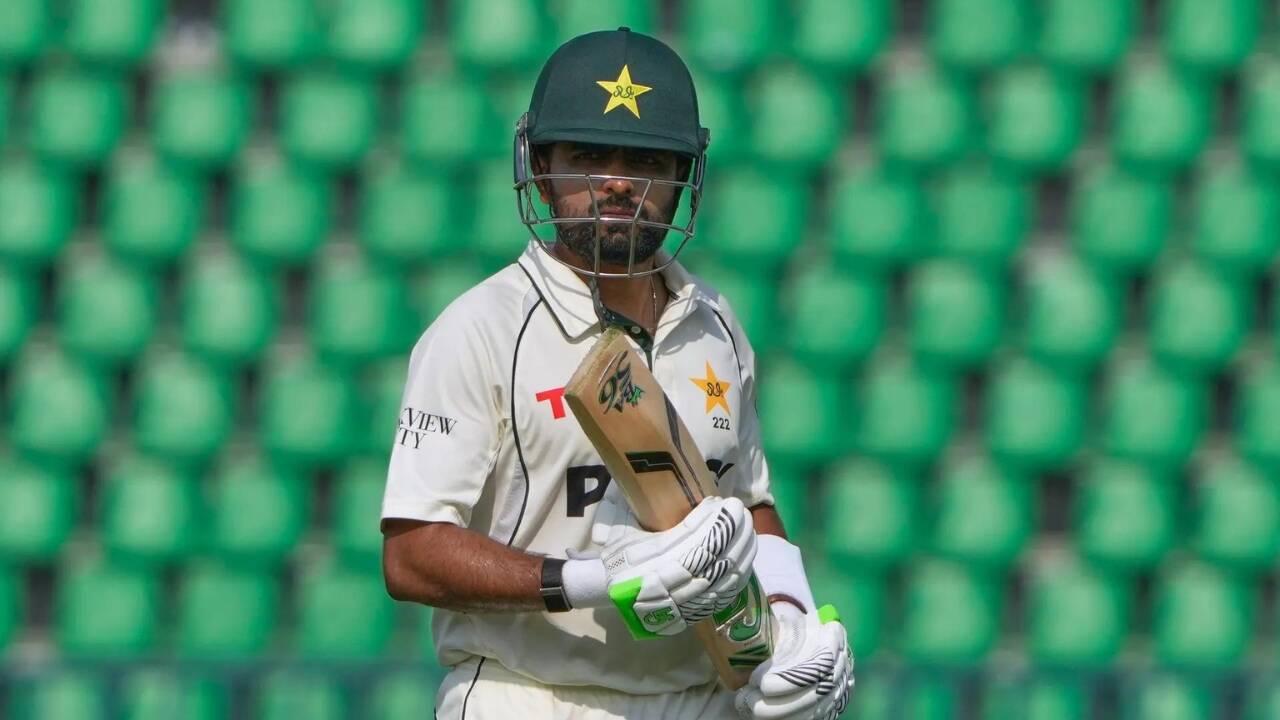
PCB’s Central Contracts Mystery: Why the Delay in 2024?
The Pakistan Cricket Board (PCB) has traditionally announced its list of centrally contracted players by the first week of August, with contracts running from June to July each fiscal year. However, this year, the cricketing world is left in the dark as the PCB has yet to reveal its central contracts list. The delay has sparked speculation, especially with the introduction of a new format-based contract system—a significant shift from the previous all-format model.
A Shift in Strategy: Format-Based Contracts Explained
The PCB’s move toward a format-specific contract system marks a strategic evolution in player management. Unlike the previous model, where players were contracted across all formats (Test, ODI, and T20I), the new system will categorize players based on their primary format. This approach aims to:
- Optimize player workload: Reduce burnout by aligning contracts with a player’s dominant format.
- Enhance specialization: Allow players to focus on their strengths, whether it’s the red-ball grind or the fast-paced T20 arena.
- Financial flexibility: Allocate resources more efficiently by rewarding players based on their format-specific contributions.
This shift aligns with global trends, where boards like the ECB and CA have adopted similar models to balance player welfare and performance.
Why the Delay? Possible Reasons Behind the Silence
The PCB’s silence on the central contracts list has raised eyebrows. Several factors could be contributing to the delay:
- Negotiations and Player Evaluations:
With the new format-based system, the PCB is likely conducting thorough evaluations of players’ performances across formats. This process may involve negotiations with players, agents, and selectors to ensure fair categorization and remuneration.
- Financial Restructuring:
The PCB has faced financial challenges in recent years, including reduced ICC revenue and sponsorship constraints. The new contract system may require a recalibration of the board’s budget, leading to delays.
- Performance-Based Incentives:
The PCB may be introducing performance-linked bonuses or tiered contracts, which require additional time to finalize. This could explain the extended deliberation period.
- Administrative Overhaul:
With the recent changes in PCB’s leadership and management, the delay could stem from internal restructuring or a shift in priorities. The new administration may be reviewing the entire contract framework before making announcements.
What Does This Mean for Pakistani Cricket?
The delay and the new contract system could have far-reaching implications for Pakistan’s cricketing landscape:
1. Player Morale and Uncertainty
The lack of clarity on contracts can create uncertainty among players, particularly those on the fringes of the national team. Players like Imad Wasim and Mohammad Amir, who have been in and out of the setup, may face anxiety over their future. Similarly, emerging talents like Saim Ayub and Abbas Afridi will be eager to secure their spots in the new system.
2. Impact on Domestic Cricket
The new contract system could also influence domestic cricket, as players may prioritize formats where they have a clearer pathway to central contracts. This could lead to a more competitive domestic circuit, with players vying for format-specific opportunities.
3. Preparation for Major Tournaments
With the 2024 T20 World Cup and the 2025 Champions Trophy on the horizon, the PCB’s delay in announcing contracts could disrupt team preparations. Players need clarity on their roles and financial security to focus on upcoming challenges.
What’s Next? When Can We Expect an Announcement?
Historically, the PCB has adhered to its August timeline for announcing central contracts. However, given the magnitude of the changes, it wouldn’t be surprising if the board takes a few more weeks to finalize the list. Here’s what to watch for:
- Player Categorization: Will the PCB introduce tiers like "Test specialists," "White-ball regulars," and "T20 specialists"?
- Contract Grades: Will the board retain the A, B, and C categories, or introduce a new grading system?
- Performance Metrics: Will the contracts include specific KPIs (Key Performance Indicators) for players to meet?
- Financial Details: How will the PCB allocate funds across formats, and will there be a cap on the number of contracts per category?
Conclusion: A Step Forward or a Stumbling Block?
The PCB’s shift to a format-based contract system is a bold move that could reshape Pakistani cricket for the better. However, the delay in announcing the contracts raises questions about the board’s preparedness and transparency. As fans and players await clarity, the PCB must ensure that the new system is implemented smoothly to avoid disruptions in the lead-up to major tournaments.
One thing is certain: the coming weeks will be crucial in determining how this transition impacts Pakistan’s cricketing future. Will the new system foster specialization and success, or will it create more confusion? Only time—and the PCB’s next move—will tell.
What are your thoughts on the PCB’s new format-based contract system? Share your opinions in the comments below!