
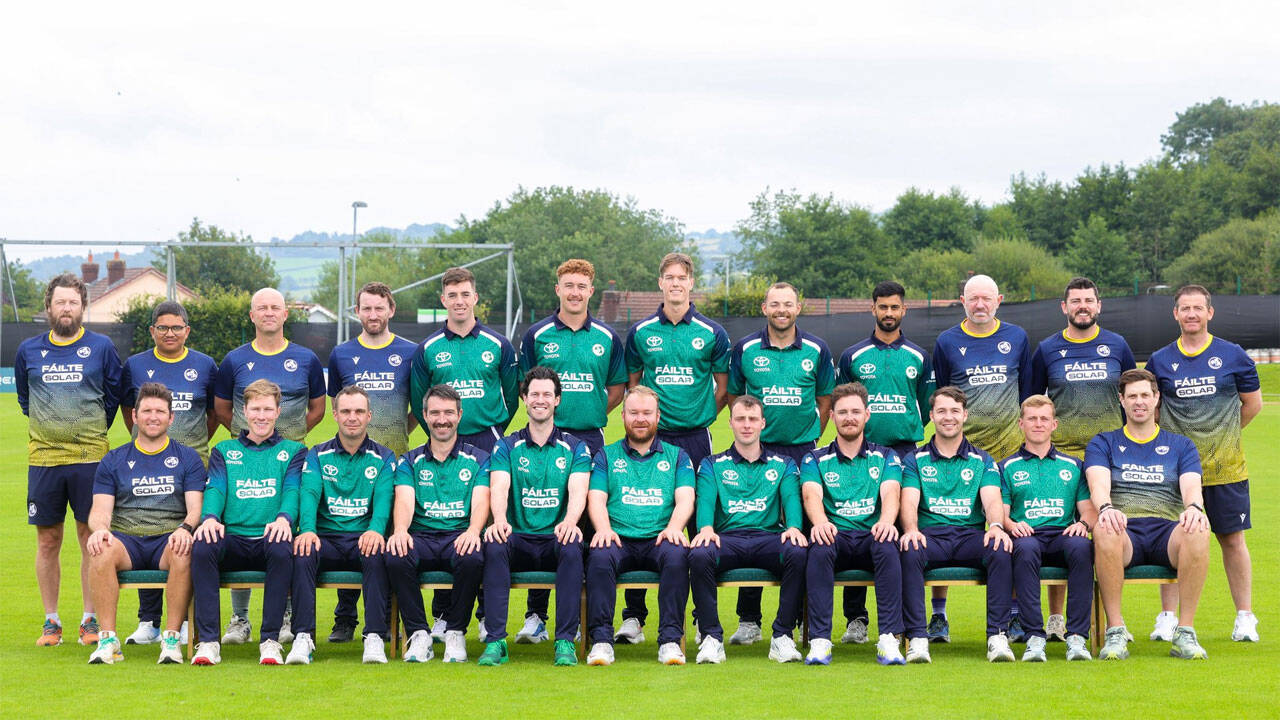
A Rain-Soaked Blow: Ireland’s Path to the 2027 ODI World Cup Gets Tougher
The dream of direct qualification for the 2027 ODI World Cup slipped through Ireland’s fingers in the most heartbreaking way—not on the field, but because of the weather. A washed-out match against Afghanistan in Bready, Northern Ireland, has left the Men in Green with no choice but to navigate the treacherous waters of the ICC Men’s Cricket World Cup Qualifier. For a team that has fought tooth and nail to establish itself as a competitive force in white-ball cricket, this is a bitter pill to swallow. But is it all doom and gloom? Let’s break down why Ireland must now play qualifiers—and what it means for their future.
1. The Super League Standings: A Numbers Game Gone Wrong
The ICC Cricket World Cup Super League (2020-2023) was designed to reward consistency, but Ireland’s campaign was anything but smooth. With only 4 wins from 24 matches, they finished 12th out of 13 teams, narrowly avoiding the wooden spoon. The top 8 teams (excluding hosts South Africa and Zimbabwe) were set to qualify directly for the 2027 World Cup, but Ireland’s position meant they were always on the edge.
The rain-curtailed match against Afghanistan was their final chance to climb the table, but with no result, their fate was sealed. Afghanistan, who had already secured their spot in the qualifiers, now join Ireland in the 10-team playoff, where only two teams will earn a ticket to the World Cup. The margin for error? None.
2. The Qualifier Gauntlet: A Battle Against the Best of the Rest
The 2027 World Cup Qualifier will be a brutal tournament. Ireland will face off against:
- Afghanistan – A team with world-class spinners and a point to prove.
- Sri Lanka & West Indies – Former champions with a mix of experience and firepower.
- Netherlands, Scotland, & Zimbabwe – Associate giants who thrive in high-pressure qualifiers.
- Emerging teams like Oman & Nepal – Hungry underdogs with nothing to lose.
Only two teams from this pool will advance to the World Cup. For Ireland, this means every match is a must-win. One bad day, one dropped catch, or one inspired spell from an opponent could end their campaign.
3. The Silver Lining: Why This Could Be a Blessing in Disguise
While direct qualification would have been ideal, the qualifiers present three key opportunities for Ireland:
A. Proving Ground for Young Talent
Ireland’s recent performances have been encouraging. Players like Harry Tector, Curtis Campher, and Lorcan Tucker have shown they can compete with the best. The qualifiers will be a pressure cooker—exactly the kind of environment where future stars are forged. If Ireland can navigate this challenge, they’ll enter the 2027 World Cup battle-hardened.
B. A Chance to Rewrite the Narrative
Ireland’s cricketing identity has long been defined by upsets (beating England in 2011, Pakistan in 2018). But in recent years, they’ve struggled to consistently punch above their weight. The qualifiers offer a chance to reclaim their underdog status and remind the world why they belong at the top table.
C. Financial & Developmental Boost
A strong showing in the qualifiers could secure more funding, exposure, and fixtures against top-tier teams. Cricket Ireland has been pushing for more bilateral series—success in the qualifiers would strengthen their case for better opportunities.
4. What’s Next? Ireland’s Roadmap to 2027
Ireland’s immediate focus must be on the 2026 ICC Cricket World Cup Qualifier. Here’s how they can maximize their chances:
- Fine-Tune Their Middle Order – Ireland’s top order has shown promise, but they need more stability in the middle overs.
- Spin Bowling Depth – With Andy McBrine leading the attack, Ireland must develop a second spin option to exploit subcontinental conditions.
- Mental Resilience – The qualifiers will be a psychological war. Ireland must learn to thrive under pressure.
- Home Advantage – If Ireland hosts some qualifiers, they must make the most of familiar conditions.
Beyond the qualifiers, Ireland must push for more high-profile series against Full Member nations. The 2024-2027 FTP cycle is crucial—more games against the likes of England, Australia, and India will prepare them better for future tournaments.
5. The Big Picture: Ireland’s Long-Term ODI Ambitions
This setback is not the end—it’s a detour. Ireland’s cricketing journey has been one of resilience and reinvention. From gaining Test status in 2017 to producing world-class players like Paul Stirling and Josh Little, they’ve come a long way.
The 2027 World Cup is still within reach, but the path is now harder and more uncertain. If Ireland can navigate the qualifiers, they’ll enter the tournament with something to prove. And if there’s one thing history has taught us, it’s that Ireland doesn’t back down from a challenge.
Final Thought: Ireland’s World Cup dreams aren’t over—they’ve just been handed a different script. The qualifiers will test their character, skill, and resolve. If they emerge victorious, they’ll do so as underdogs who refused to be counted out. And that, in many ways, is the essence of Irish cricket.
What do you think? Can Ireland defy the odds in the qualifiers? Share your thoughts in the comments!