
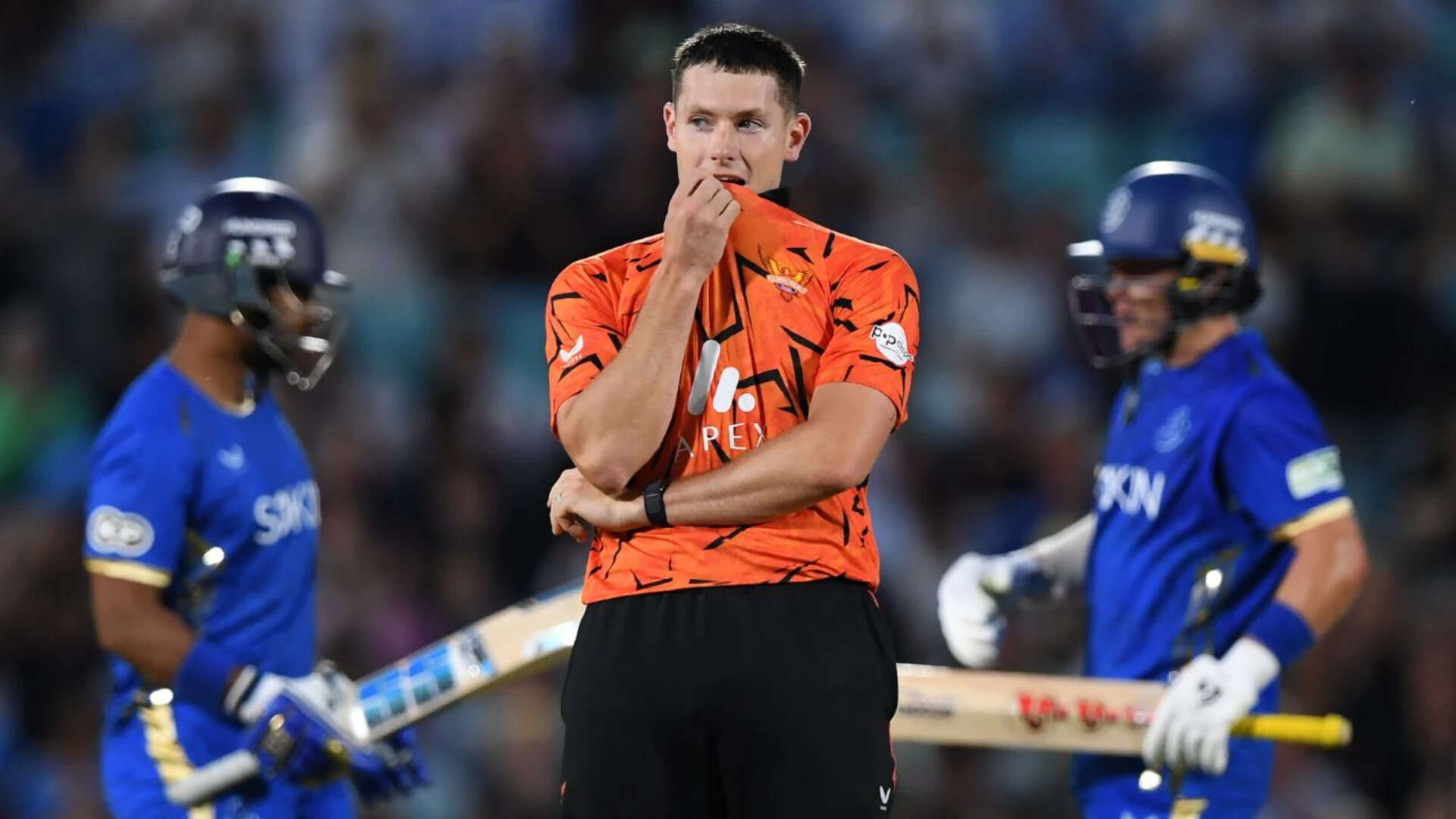
The Hundred is back for its sixth edition, and in true Hundred fashion, the conversation around it is split between innovation, identity, and investment. The tournament still carries its distinctive 100-ball format, still operates with eight teams, and still places men’s and women’s fixtures together in double-header windows. Bowlers can still deliver five or 10 consecutive balls, the tempo is still deliberately sharp, and the product is still designed for families, new fans, and prime-time entertainment.
Yet, despite the noise around possible IPL-linked investment and the global franchise market circling English cricket, The Hundred continues to feel like something closer to home. It remains, at least for now, a family affair.
A Tournament Built for the Casual Fan
The Hundred was never created purely for cricket traditionalists. Its very existence challenged the rhythm of the sport. One hundred balls per innings, simplified scoring graphics, music, packed matchdays, and an emphasis on accessibility all pointed towards a clear goal: to bring in people who may not naturally sit through four days of red-ball cricket or even a full T20 evening.
That family-first positioning is still its biggest strength. The double-header structure allows supporters to watch elite women’s and men’s cricket in one visit. For young fans, this matters. They see the women’s game not as a side attraction, but as part of the main event. In a sporting landscape where attention spans are shrinking, The Hundred continues to sell cricket as a shared day out rather than a niche obsession.
IPL Money: The Temptation Is Obvious
The shadow of the IPL looms over every short-format competition in the world. Its franchises have expanded into South Africa, the UAE, the Caribbean, and the United States. The brand power, financial muscle, player networks, and commercial expertise of IPL ownership groups are impossible to ignore.
For The Hundred, outside investment could be transformative. It could increase player salaries, improve overseas recruitment, strengthen marketing, and help teams develop clearer global identities. If an IPL-backed ownership model eventually arrives, it may give the competition the financial acceleration it needs to compete with the world’s biggest leagues.
But timing matters. The Hundred is still building trust with English cricket’s traditional counties, supporters, and grassroots audience. Moving too quickly towards private franchise control could risk making the tournament feel less like a national summer event and more like another satellite in the global T20 economy.
Why the Family Feel Still Matters
One of The Hundred’s most important selling points is that it does not yet feel over-industrialised. The teams are new enough to be flexible, but familiar enough to attract regional support. The matchdays still lean heavily into children, first-time spectators, and families who want a complete entertainment package.
This is where The Hundred differs from many franchise leagues. The IPL thrives on tribal intensity, celebrity ownership, and high-pressure cricket theatre. The Hundred’s strongest atmosphere is slightly different: bright, accessible, communal, and inclusive. It is less about intimidating opposition and more about inviting people in.
That identity should not be sacrificed lightly. Investment can improve a product, but it can also reshape its personality. The challenge for English cricket is to welcome money without losing the tournament’s core purpose.
The Cricket Product Still Needs Refinement
From a cricketing perspective, the 100-ball format remains both fascinating and awkward. It creates urgency, but it also sits close enough to T20 that some fans still question its necessity. Captains must think differently about bowling blocks, match-ups, and when to use their best bowlers. Batters are pushed to attack earlier, while bowlers have less time to recover from poor sets.
The format rewards adaptability. A bowler delivering 10 consecutive balls can change a match in two minutes. A batter who understands tempo can dominate without needing a long innings. For analysts, the game offers interesting tactical layers. For casual fans, the shorter duration keeps the contest digestible.
However, The Hundred must continue to ensure that the quality of cricket matches the quality of presentation. Strong overseas signings, consistent availability of England stars, and competitive balance between teams will determine whether the tournament grows beyond novelty status.
The Women’s Competition Is the Crown Jewel
If there is one area where The Hundred has genuinely shifted English cricket, it is the women’s game. The shared platform has helped women’s cricket reach bigger crowds, better broadcast slots, and a broader audience. Young girls attending matches can see professional female cricketers performing on the same stage, under the same branding, in front of the same crowd.
This is where The Hundred’s family identity becomes more than marketing language. It has created visibility. It has normalised elite women’s cricket as part of the mainstream summer schedule. Any future investment model must protect and enhance this feature, not treat it as secondary.
What Comes Next?
The Hundred stands at an important point in its evolution. The format is established, even if not universally loved. The teams have recognition, even if not yet deep-rooted tribal loyalty. The commercial potential is clear, even if the ownership future remains uncertain.
IPL investment may come later, and perhaps it should. The tournament needs money, but it also needs patience. Its long-term value will depend on whether it can remain distinct rather than simply imitate the franchise leagues around it.
For now, The Hundred’s greatest asset is not just its format, its broadcast package, or its potential investors. It is its accessibility. It is a tournament parents can take children to, where women’s and men’s cricket share the stage, and where the sport tries to speak to a wider audience.
The global money may arrive eventually. But before The Hundred becomes another asset in cricket’s franchise marketplace, it must remember why it was created in the first place: to make cricket faster, simpler, more inclusive, and more family-friendly.