
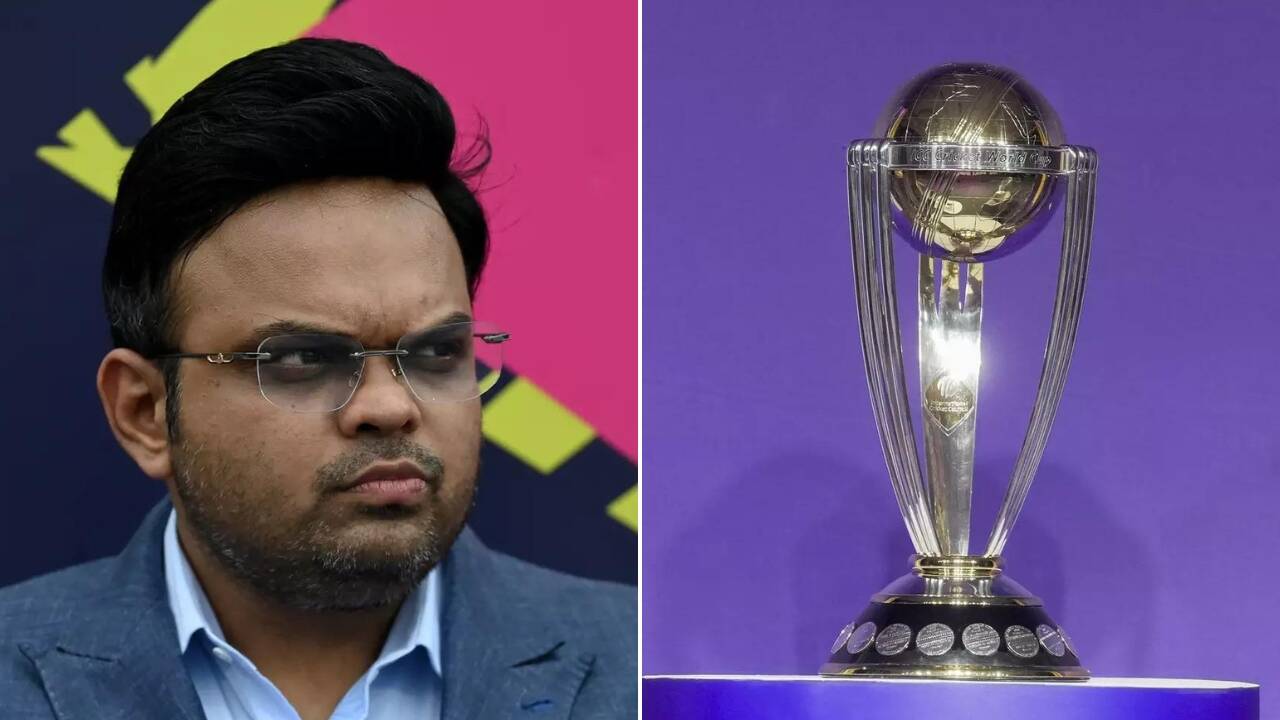
In a bold and unprecedented move, Cricket Scotland and the Royal Dutch Cricket Association (KNCB) have publicly accused the International Cricket Council (ICC) of undermining Associate cricket through sudden and poorly communicated structural changes to global tournaments. The two European Associate Member boards expressed deep disappointment, stating that the ICC’s decisions—announced less than 18 months before major events—threaten the progress and competitiveness of emerging cricket nations.
The Core of the Accusation
The controversy centers around the ICC’s recent alterations to qualification pathways and tournament structures for events like the T20 World Cup and ODI World Cup. Scotland and the Netherlands, both of which have made significant strides in recent years—including memorable performances in ICC tournaments—argue that the changes were made without adequate consultation and could disproportionately disadvantage Associate teams.
In a joint statement, the boards highlighted concerns over:
- Reduced Qualification Opportunities: The ICC’s decision to shrink the number of teams in certain tournaments or alter qualification criteria has left Associate nations with fewer pathways to compete at the highest level.
- Lack of Transparency: The boards claim the ICC failed to engage in meaningful dialogue before implementing these changes, leaving them scrambling to adapt with little time to prepare.
- Financial and Developmental Impact: Fewer opportunities to compete against Full Members could hinder the growth of cricket in Associate nations, both in terms of player development and financial sustainability.
Why This Matters for Associate Cricket
Associate cricket has long struggled for recognition and resources compared to the sport’s traditional powerhouses. However, teams like Scotland and the Netherlands have proven their mettle in recent years:
- Scotland’s historic victory over England in the 2018 ODI series and their strong performances in T20 World Cups.
- The Netherlands’ stunning upset over South Africa in the 2022 T20 World Cup and their consistent competitiveness in global events.
These achievements have not only elevated the profile of Associate cricket but also inspired a new generation of players and fans. However, the ICC’s structural changes risk stalling this momentum by limiting exposure and competitive opportunities.
The ICC’s Response and Broader Implications
The ICC has yet to issue a detailed public response to the accusations, but insiders suggest the changes were driven by a desire to streamline tournaments and ensure higher-quality competition. However, critics argue that this approach ignores the long-term growth of the game and the need for inclusivity.
This controversy raises broader questions about the ICC’s commitment to Associate cricket. While the governing body has made efforts to expand the game—such as the introduction of the ICC Cricket World Cup League 2 and increased funding for Associate members—sudden policy shifts risk alienating the very nations that are crucial to cricket’s global expansion.
What’s Next for Scotland and the Netherlands?
Both boards have called for urgent discussions with the ICC to address their concerns and explore potential solutions. They are also rallying support from other Associate nations, including Ireland, Afghanistan, and Nepal, to present a united front.
For Scotland and the Netherlands, the stakes are high. With the 2024 T20 World Cup and 2027 ODI World Cup on the horizon, they need clarity and consistency from the ICC to continue their upward trajectory. The outcome of this dispute could shape the future of Associate cricket for years to come.
Conclusion: A Call for Fair Play
The accusations from Scotland and the Netherlands underscore a growing frustration among Associate nations: the feeling that they are an afterthought in the ICC’s decision-making process. While cricket’s global expansion is a complex challenge, it requires collaboration, transparency, and a long-term vision—qualities that seem to be lacking in the current scenario.
As fans and stakeholders, we must ask: Is the ICC truly committed to growing the game beyond its traditional strongholds, or are Associate nations being sidelined in favor of short-term gains? The answer will determine whether cricket remains a sport for the few or becomes a truly global game.
What are your thoughts on the ICC’s handling of Associate cricket? Share your views in the comments below!