
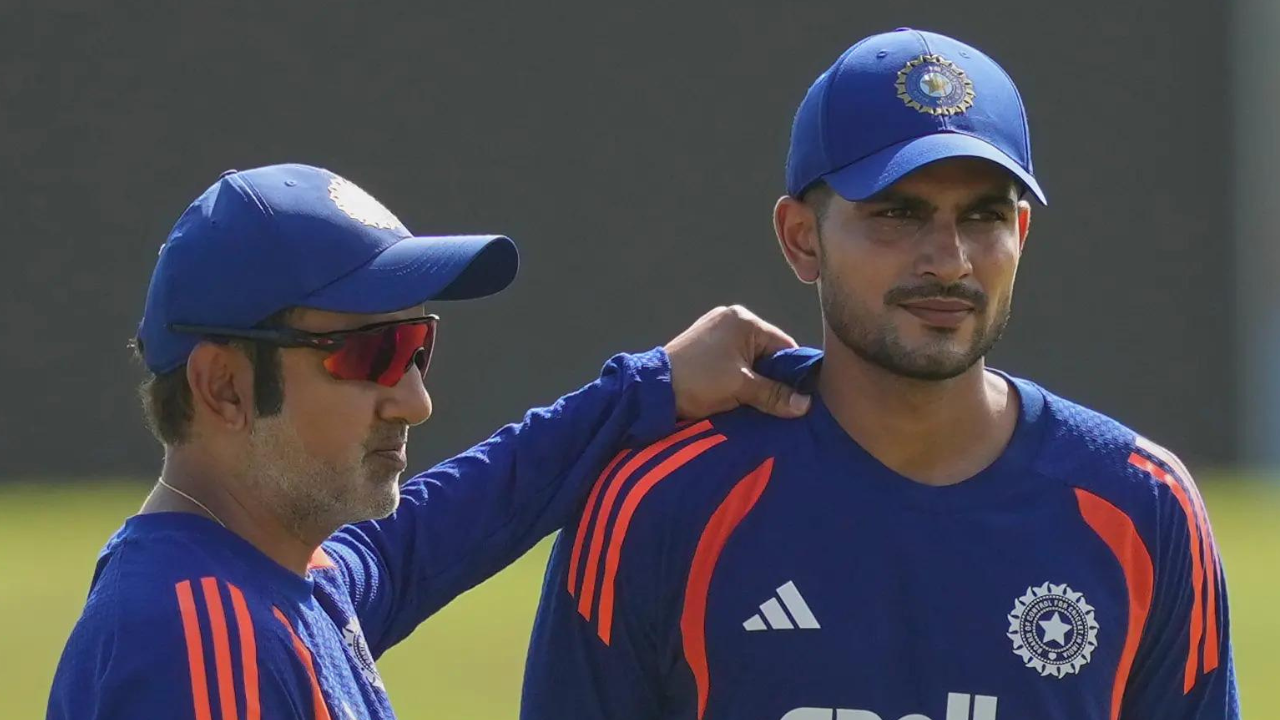
The Power of Constant Communication: Gill Shuts Down Speculations Amid Injury Woes
In the high-pressure world of international cricket, where injuries and rehabilitation often dominate headlines, Shubman Gill has stepped forward to clarify the narrative surrounding India’s injury management and the Board of Control for Cricket in India (BCCI)’s Centre of Excellence (CoE). Speaking to the media ahead of the first Test, the young batter emphatically denied any communication gap between players and the CoE, emphasizing the proactive and transparent approach adopted by the team management.
A Unified Front in Rehabilitation
Gill’s remarks come at a time when India’s injury concerns have been under the microscope, with several key players—including Jasprit Bumrah, Rishabh Pant, and KL Rahul—undergoing rehabilitation. Addressing the media, Gill stated,
“The team management has been closely following the rehab of all the players at the CoE. There is no gap in communication. We are constantly in touch with the physios, the support staff, and the management. Everyone is on the same page.”
His words underscore the collaborative effort between players, medical staff, and the BCCI’s high-performance unit, ensuring that recovery processes are streamlined and player-centric. The CoE, known for its state-of-the-art facilities and expert-driven approach, has been instrumental in India’s injury management strategy, particularly in an era where the demands of modern cricket push athletes to their limits.
Why Communication is the Backbone of Player Recovery
Injuries in cricket are not just physical setbacks—they carry mental and emotional weight, especially for players eager to contribute to the team. A breakdown in communication can exacerbate anxieties, leading to mistrust between players and management. Gill’s assurance highlights three critical aspects of effective injury management:
- Transparency: Players are kept in the loop about their recovery timelines, treatment plans, and fitness benchmarks. This fosters trust and accountability.
- Consistency: Regular updates from physios and trainers ensure that players remain mentally engaged in their rehabilitation, reducing the risk of setbacks.
- Player-Centric Approach: The CoE’s personalized programs cater to individual needs, recognizing that no two injuries—or players—are the same.
Gill’s own journey with injuries—including a thigh strain that ruled him out of the IPL 2023—has been a testament to this approach. His swift return to form, culminating in a stellar performance in the World Test Championship (WTC) Final, speaks volumes about the efficacy of the CoE’s methods.
The Bigger Picture: India’s Injury Management in the Spotlight
India’s injury woes have been a recurring theme in recent years, with critics often pointing to the packed international calendar and the lack of workload management. However, Gill’s comments shed light on the proactive measures being taken behind the scenes. The BCCI’s investment in the CoE—equipped with cutting-edge technology, sports science, and rehabilitation experts—reflects a long-term vision to safeguard player welfare.
Moreover, the integration of data analytics into injury prevention and recovery has been a game-changer. From biomechanical assessments to load monitoring, the CoE leverages data to make informed decisions, minimizing the risk of re-injury. This scientific approach, combined with open communication, ensures that players like Gill can focus on their game without the distraction of uncertainty.
What This Means for Indian Cricket’s Future
Gill’s denial of any communication gap is more than just a statement—it’s a reassurance to fans and stakeholders that Indian cricket is in safe hands. As the team gears up for a challenging Test series, the emphasis on player well-being will be crucial in maintaining a competitive edge.
For young cricketers like Gill, who are seen as the future of Indian batting, such a supportive ecosystem is invaluable. It not only aids their physical recovery but also strengthens their mental resilience, preparing them for the rigors of international cricket.
As the first Test unfolds, one thing is clear: India’s injury management strategy is evolving, and constant communication is at its core. In a sport where margins are razor-thin, the ability to trust the process could well be the difference between success and setback.
Key Takeaways:
- Shubman Gill has dismissed reports of a communication gap between players and the BCCI’s Centre of Excellence (CoE).
- The CoE’s proactive approach ensures transparency, consistency, and a player-centric rehabilitation process.
- India’s injury management strategy is backed by data analytics, sports science, and expert-driven recovery programs.
- Effective communication is crucial in reducing player anxieties and fostering trust in the system.
- The focus on player welfare will be key as India navigates a busy international calendar.
As fans, we can take comfort in knowing that our players are not just physically prepared but also mentally supported. After all, in cricket—as in life—communication is the bridge between setback and comeback.